
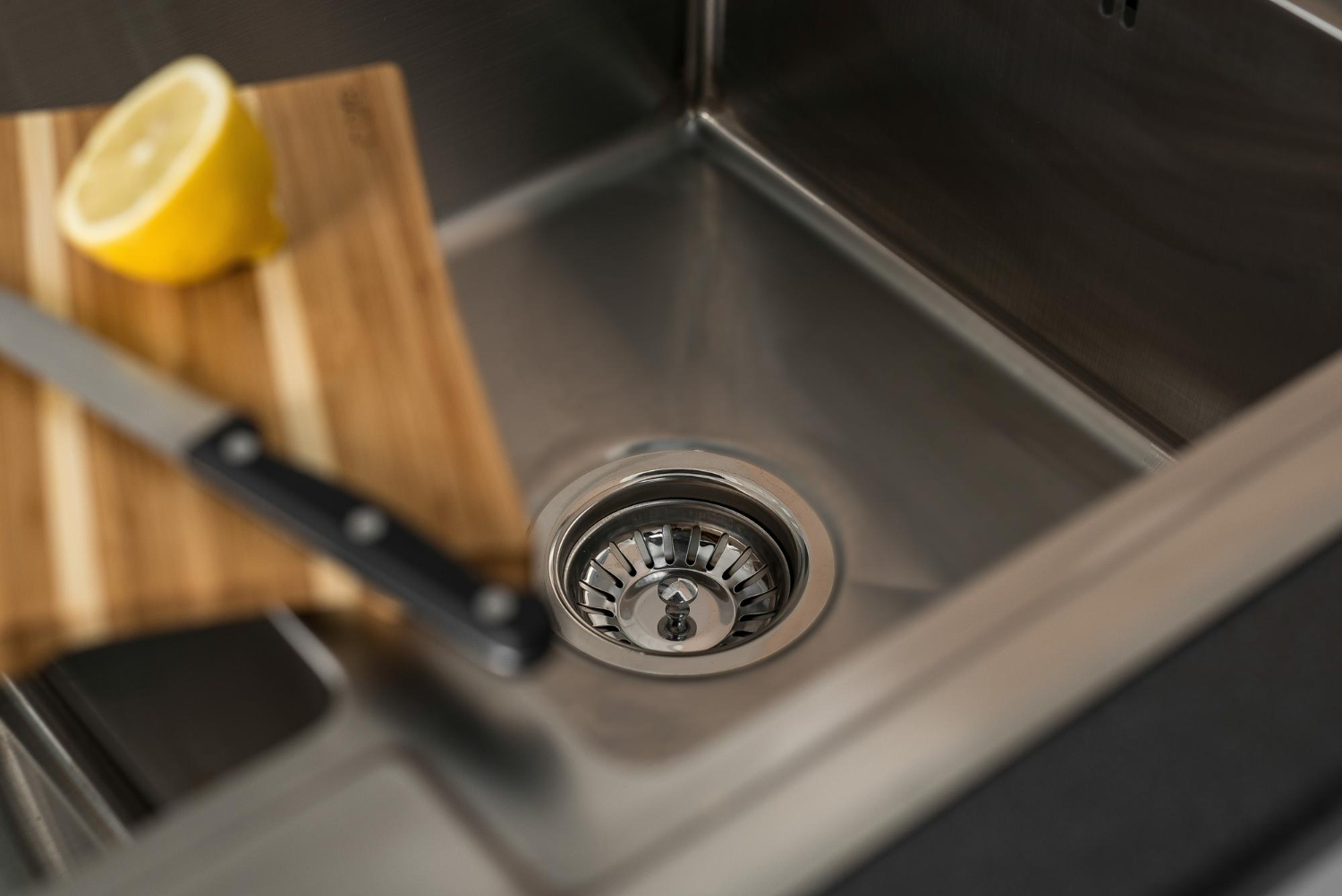
Kitchen drains can quickly get clogged due to grease, food scraps, and debris that accumulate. In New York, where life is often fast-paced and convenient, many choose to solve this problem with chemicals. However, these aggressive solutions can damage your pipes and harm the environment. Fortunately, there are simple and effective chemical-free alternatives that will keep your drains clean and functional.
Sommaire
ToggleWhy avoid chemicals for cleaning drains?
Chemical products may seem like a quick and effective solution, but they come with several drawbacks. These products can damage your pipes, especially if they are made of metal or plastic, leading to leaks over time. Additionally, they harm the environment and pollute the water. Here are the main reasons why it’s better to avoid them:
- Damage to pipes: Chemical products can cause leaks and deterioration in the long run.
- Health risks: Prolonged exposure to chemicals can be harmful to users.
- Environmental impact: These products contaminate water and affect local wildlife.
- Limited effectiveness: They often only solve the problem temporarily and may create residues that worsen the situation.
By opting for natural alternatives, you can avoid these risks while preserving your pipes’ integrity.
Natural solutions for cleaning kitchen drains
There are several simple, cost-effective, and eco-friendly ways to clean your drains without chemicals. Here are three popular methods that really work.
Baking soda and white vinegar
Baking soda and white vinegar are two of the most effective natural solutions for cleaning drains. These two products, available in every home, are not only great for dissolving grease and food residue, but they are also safe for your plumbing.
- Pour about 1/2 cup of baking soda into the drain.
- Then add 1/2 cup of white vinegar.
- Quickly cover the sink with a stopper to allow the chemical reaction to occur inside the pipes.
- Let it sit for 30 minutes and finish by pouring boiling water to rinse everything.
This mixture deodorizes and degreases drains effectively. It’s ideal for regular cleaning and also helps eliminate bad odors while maintaining smooth water flow.
Boiling water
A quick and effective solution to dissolve grease and food residue in your drains is boiling water. This simple action is often sufficient to unclog pipes without risking damage to your plumbing.
- Heat a large pot of water.
- Slowly pour this boiling water into your drain, in several stages, to gradually dissolve the accumulated grease.
Repeat the process once a month to keep wastewater flowing smoothly without blockages. This method is particularly effective for grease, which solidifies upon cooling and creates clogs in the pipes.
Salt and baking soda
Salt and baking soda also form a great duo for unclogging and cleaning your drains. This method is especially useful for more stubborn blockages.
- Mix 1/2 cup of baking soda with 1/2 cup of salt.
- Pour this mixture into the clogged drain.
- Add boiling water to activate the chemical reaction.
- Let it sit for 30 minutes, then rinse thoroughly with hot water.
This mixture works effectively to clean and degrease pipes. It’s also useful for eliminating bad odors and keeping your drains clear.
Prevention: how to avoid clogs in kitchen drains?
Preventing clogs is always easier than removing them. Here are some tips to keep your drains clear and functional without relying on chemicals.
Install grates and filters
Using grates and filters in your sinks is one of the best ways to prevent food debris, hair, and grease from entering your drains. These inexpensive accessories capture the residue before it can obstruct your pipes. They are easy to clean and simple to install.
Regularly maintain your drains
It’s essential to regularly maintain your drains to avoid accumulations that lead to blockages. Use natural methods, like hot water or baking soda, to clean your drains once a month. Preventative maintenance extends the life of your pipes and ensures smooth water flow.
Don’t pour grease down the sink
One of the main culprits of drain blockages is oil or grease. When you pour these substances down the sink, they solidify as they cool, creating clogs in your pipes. To avoid this, it’s better to collect the grease in a container and dispose of it in the trash. Adopting this habit will help keep your drains clean and clear.
When to call a professional in New York?
If, despite all your cleaning efforts, the blockages persist, it might be time to call a professional plumber. Sometimes, clogs are more complex, and deep cleaning with specialized tools may be necessary. If you’ve tried several methods without success, or if you’re experiencing recurring issues, it’s time to consider professional help. Here are the key signs:
- Persistent slow drainage: Even after attempting multiple cleaning methods.
- Bad odors that don’t go away: Persistent smells that natural cleaning methods cannot eliminate.
- Frequent clogging: Clogs that keep happening despite regular maintenance.
- Gurgling noises from pipes: An indication of air trapped in pipes due to a blockage.
- Water backing up in the sink: If the water level rises when draining, it’s a clear sign of a serious blockage.
- Visible leaks or water damage: Any sign of water escaping from the pipes around your sink or plumbing system.
A plumber can intervene effectively using tools like augers or high-pressure cleaners to remove stubborn blockages. Additionally, a professional can check the condition of your pipes and recommend the best maintenance solutions.