
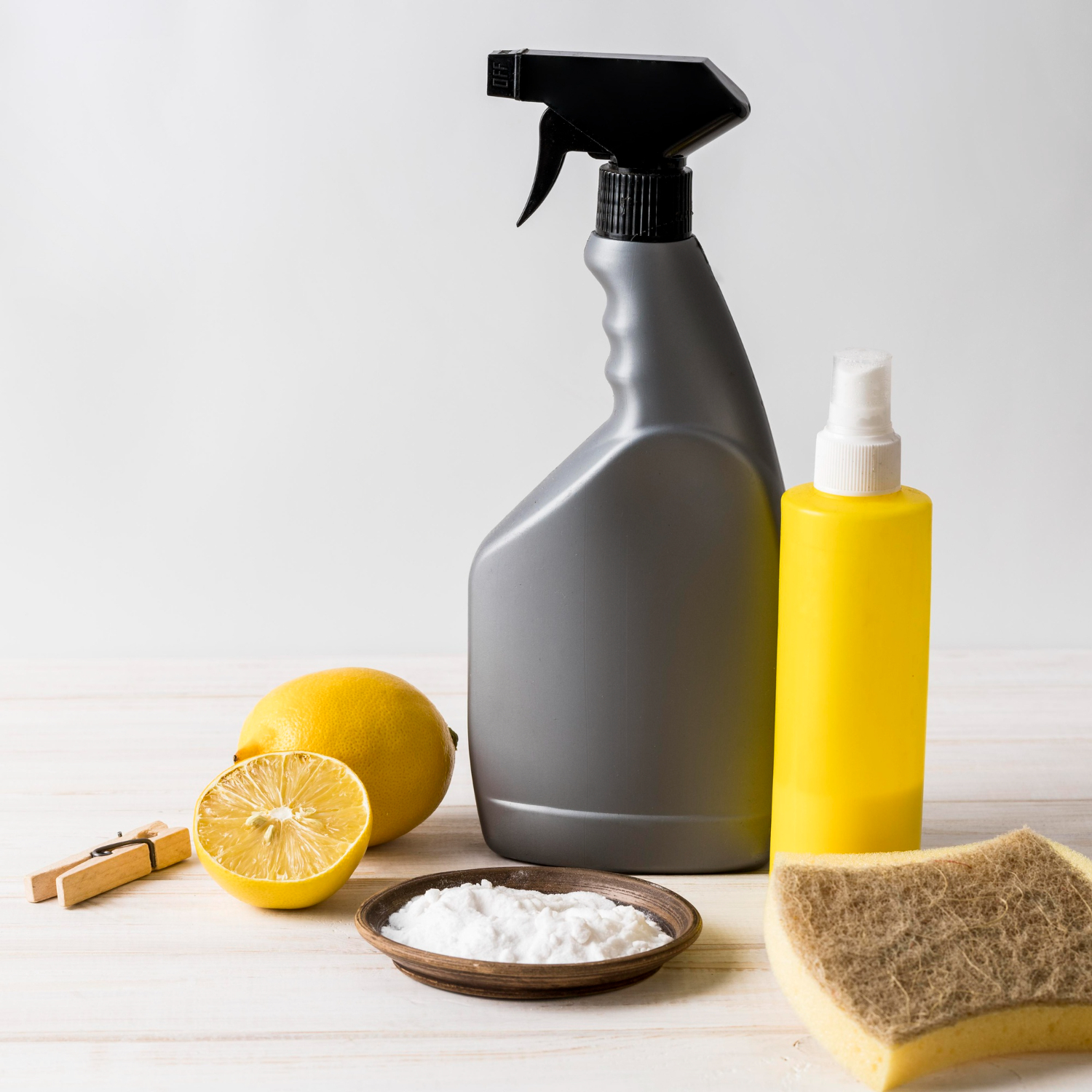
Drains can accumulate grease, hair, and other organic debris, leading to clogs and unpleasant odors. Instead of turning to harsh chemicals, why not choose natural, cost-effective solutions? Baking soda and vinegar, two common household products, offer an eco-friendly and equally effective alternative for maintaining your pipes. These accessible products, safe for the environment, can help you keep your drains in perfect condition while protecting the planet.
Sommaire
ToggleBaking soda: a powerful ally for drain cleaning
Baking soda is a versatile product found in almost every kitchen. It has powerful cleaning and deodorizing properties, making it an ideal choice for drain cleaning. Its action is gentle yet effective against grease and other organic residues. Let’s see how to use it effectively to keep your pipes clean and functional.
Properties of baking soda
Baking soda is a mild abrasive, allowing it to remove dirt and grease without damaging your pipes. Additionally, it neutralizes bad odors by absorbing moisture and eliminating food residues. It’s an excellent product for keeping your drains fresh and free-flowing.
How to use baking soda to unclog drains?
For a simple and quick cleaning, pour about half a cup of baking soda into the drain, followed by a small amount of hot water. Let it sit for 10 to 15 minutes, then rinse with hot water. This method is ideal for regular maintenance. If your drains are particularly clogged, you can add some white vinegar to boost the action of the baking soda.
Vinegar: a natural cleaner for your drains
Vinegar is another natural cleaning product with multiple benefits. Its acidity allows it to dissolve limescale, tartar, and mineral residues while also eliminating bacteria and mold. It’s especially effective against bad odors and light blockages in pipes.
Properties of vinegar
Vinegar has antibacterial and antifungal properties, making it an excellent choice for eliminating germs and disinfecting drains. It breaks down mineral deposits and dissolves grease, making drain maintenance easier and more effective.
Using vinegar for drain maintenance
To maintain your drains, pour about one cup of white vinegar into the drain, and let it sit for 15 minutes. Then, rinse with hot water to remove residues. If you’re dealing with a more stubborn blockage, you can combine vinegar with baking soda for deeper cleaning.
How to combine baking soda and vinegar for optimal cleaning?
The combination of baking soda and vinegar creates a chemical reaction that helps break down grease, dissolve clogs, and sanitize your drains. This combination is especially effective for removing stubborn residues and more serious blockages. Here’s how to use these two products together for optimal results.
The chemical reaction between baking soda and vinegar
When baking soda and vinegar meet, they produce effervescence that helps dislodge accumulated dirt and grease in the pipes. This reaction creates foam that lifts and disintegrates obstructions. While vinegar dissolves mineral deposits, baking soda cleans and neutralizes bad odors.
Step-by-step procedure to unclog your drains
- Pour half a cup of baking soda into the drain.
- Add one cup of white vinegar.
- Let the chemical reaction take place for 15 minutes.
- Rinse thoroughly with hot water to remove residues.
This method is ideal for monthly maintenance but can also be used when a light obstruction forms.
When and how often to use these natural solutions?
Knowing when and how to use these solutions is key to maximizing their effectiveness. Regular preventive maintenance can help avoid blockages and ensure smooth water flow in your drains.
Frequency of use
Use baking soda and vinegar once a month for regular maintenance. If you notice signs of clogging or unpleasant odors, you can apply them more frequently. This regular cleaning helps prevent the buildup of grease and debris.
Precautions to take
Although these solutions are natural, it’s best not to overuse them. Excessive use of vinegar can, in some cases, be slightly abrasive to rubber seals. Also, be sure to rinse your drains thoroughly after each application to avoid any residue buildup.
Other natural solutions to keep your drains in good condition
In addition to baking soda and vinegar, several other natural solutions can help maintain your drains. Salt, for example, is an excellent abrasive that can dislodge small clogs. Essential oils, on the other hand, offer a natural way to disinfect and add a pleasant scent.
- Salt: Pour half a cup of salt into the drain, followed by one cup of hot water. This method is effective for removing residues.
- Essential oils: A few drops of tea tree oil or lemon oil can be added to your solutions for their antibacterial properties and pleasant fragrance.
While these other products are effective, they do not have the same breaking-down capacity as baking soda and vinegar. However, they can be used in combination to enhance results.
Baking soda and vinegar are natural, cost-effective solutions that help keep your drains clean and functional. By using these simple products, you’re contributing to the preservation of the environment while reducing the risk of blockages. Choose a sustainable solution for your plumbing and the planet!
Read more: How to choose the best drain cleaning company in New York