
Bathroom drains in New York homes face constant buildup from soap, hair, and minerals in the water. While chemical products promise fast results, they often cause more harm than good. If you’re looking for long-lasting, eco-friendly ways to maintain your plumbing, natural cleaning methods offer a reliable and responsible solution.
Sommaire
ToggleWhy choose natural solutions for cleaning Bathroom drains?
Bathroom drains endure heavy daily use. To avoid recurring clogs and preserve the lifespan of your pipes, it’s best to use solutions that are effective, gentle, and environmentally friendly. These natural methods are perfectly suited to the demanding urban context of a city like New York.
Risks of conventional chemical products on pipes and the environment
Chemical products, often sold in stores, can weaken PVC or metal pipes. Frequent use leads to microcracks, which eventually cause leaks. Moreover, these toxic substances enter wastewater, affecting local wildlife and plants. In a dense urban environment like New York, this pollution can have long-term effects on water quality.
Ecological and economic benefits of natural solutions
Natural alternatives respect your plumbing and don’t harm the environment. They also help you save money by reducing the need for expensive chemical products. Their progressive action cleans deeply and avoids repeated interventions. These solutions also help reduce your ecological footprint, a concern that matters in a city as committed as New York.
Adapting natural solutions to new york’s urban context
Urban pollution combined with hard water puts extra stress on your drains. Gentle and regular methods are better than harsh treatments, which accelerate pipe wear. Natural solutions fit well into this scenario, maintaining a sustainable balance between cleanliness and preservation.
Main threats to bathroom drains in New York
To solve a problem, you first need to understand its causes. Several factors worsen drain buildup, especially in older buildings. Identifying the most common sources helps you better target your cleaning strategy.
Build-up of soap, hair, and organic residue
In the bathroom, soap scum and hair combine to form stubborn clogs. These elements stick to pipe walls and slow water flow. Over time, they are the main cause of blockages and bad odors.
Effects of hard water typical of the New York area
New York’s water has a moderate to high mineral content. Limescale builds up inside pipes, narrowing their diameter and encouraging grease deposits. This makes it harder to remove blockages, especially when fats bind to minerals.
Urban pollution and its impact on drainage systems
Fine dust and urban residue can enter drains. These particles mix with organic waste, forming a stubborn mixture. In a city like New York, extra care is needed to keep drains clean and fully functional.
Effective natural recipes for drain cleaning
Simple combinations of household products can break down clogs without damaging your pipes. Easy to prepare and cost-effective, these natural recipes help you act as soon as drainage starts slowing down. Here are the most effective mixtures and how to use them.
Baking soda and white vinegar: the classic combo
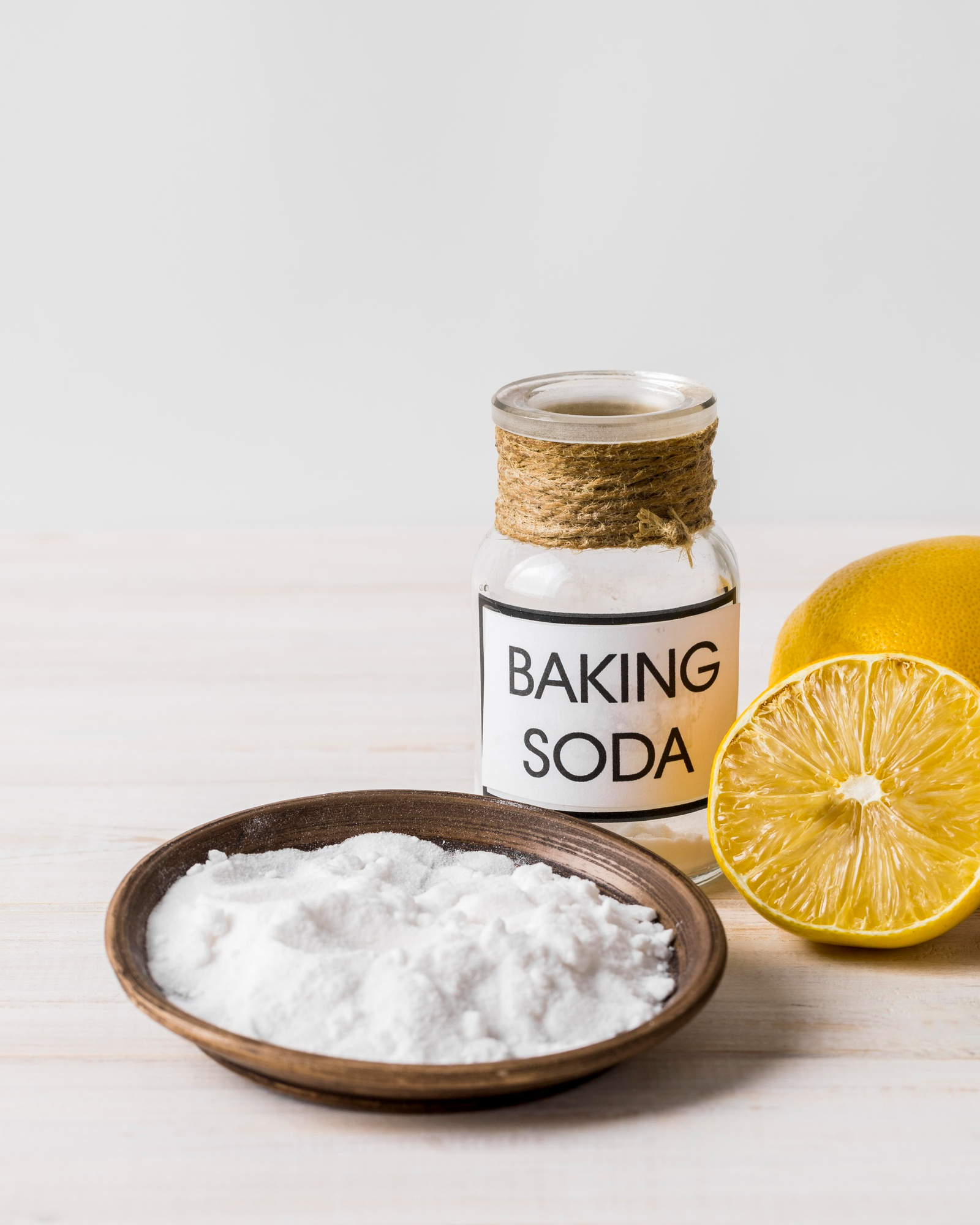
Baking soda, slightly abrasive, dislodges buildup, while vinegar triggers a fizzing reaction that breaks down grease. Poured into drains, this mix cleans thoroughly without causing damage. Weekly use helps prevent buildup and eliminates odors.
Salt and lemon: a natural scrub and deodorizer
Salt acts as a gentle scrub for pipe walls, while lemon provides natural acidity to break down fatty residues. This combination leaves your bathroom smelling fresh and supports pipe maintenance. It’s easy to use and works well alongside other treatments.
Natural enzymes: how they break down organic matter
Enzymatic cleaners contain microorganisms that digest organic material like hair and soap scum. They’re non-corrosive and compatible with all types of plumbing. Their slow, steady action reduces the risk of clogs over time.
Essential oils: a natural way to neutralize odors
A few drops of essential oils, like lavender or eucalyptus, neutralize bad smells. They don’t dissolve clogs but improve air quality in the bathroom. When used alongside other methods, they add a touch of natural freshness.
Application methods and precautions to take
Applying a method properly ensures its effectiveness without risking damage to your pipes. A few simple precautions can prevent common mistakes, especially during regular maintenance. Following the right steps maximizes results and protects your plumbing.
Recommended frequency and dosage for optimal maintenance
Pour half a cup of baking soda followed by half a cup of white vinegar into your drain each week. Let it sit for 15 minutes, then rinse with hot water. For salt and lemon, one tablespoon of salt with juice from half a lemon once a month is enough. These amounts are effective and safe.
Precautions to avoid damaging your plumbing
Never mix harsh chemicals with natural solutions. Avoid pouring boiling water too often, as it can weaken certain types of pipes. Also, make sure your enzymatic cleaners are compatible with your plumbing before use.
When to use mechanical cleaning or call a professional
If water still drains slowly or odors persist, mechanical cleaning is needed. In such cases, a professional can give an accurate diagnosis and restore your plumbing effectively. Don’t wait for things to worsen; reach out as soon as signs appear.
Read more : How to choose the best drain cleaning company in New York
Preserving your pipes doesn’t require harsh chemicals or complicated routines. By adding natural cleaning to your habits, you choose durability, cost-efficiency, and eco-responsibility. A simple step today leads to healthier, longer-lasting plumbing.