
In New York, bad smells from drains often signal buildup, dry P-traps, or ventilation issues. Routine care keeps drains clean, prevents odor-causing debris from accumulating, and ensures your plumbing works as it should. Address these small tasks early to avoid bigger problems later.
Sommaire
ToggleWhy drain odors are common in New York homes and buildings
In New York, plumbing systems face heavy use and aging infrastructure, making foul odors a frequent issue. Many homes and buildings experience recurring smells that need targeted care.
Aging infrastructure and outdated plumbing systems
Many buildings still rely on old pipes that corrode or collect debris more easily. This aging infrastructure allows organic waste and bacteria to accumulate, leading to persistent odors. Cracks in older pipes can also let sewer gases escape into living spaces.
High drain usage in multi-unit buildings
Multi-family buildings place extra demand on shared drainage networks. Frequent use increases residue buildup inside pipes, accelerating odor problems. Common drains that serve many units need maintenance more often to prevent smells from spreading.
Urban factors that contribute to odor problems
Urban environments like New York contribute additional stress, such as dust and grease from restaurants. These materials settle in drains and decay, creating strong odors. Heavy seasonal rainfall can also overload city sewers, sending gases back into building drains.
Main causes of foul odors in drains
Bad smells come from multiple sources inside plumbing systems. Identifying these causes helps you act quickly and effectively.
Organic buildup: grease, food waste, soap scum
Kitchen drains collect grease and food debris, which stick to pipe walls and decompose. Bathroom drains accumulate soap and hair, which create a sticky film that traps dirt. This combination produces unpleasant odors that worsen over time.
Dry P-traps and their role in odor control
The P-trap under your sink holds water to block sewer gases. When not used regularly, this water evaporates, removing the seal that keeps odors out. Drains in guest bathrooms or rarely used rooms are especially prone to this problem.
Biofilm and bacteria growth inside pipes
Biofilm forms as bacteria multiply on debris inside pipes. This layer not only narrows water flow but also generates strong, persistent odors. Regular cleaning is key to removing biofilm and stopping smells at the source.
Sewer gas infiltration due to poor ventilation
Poorly ventilated plumbing systems allow sewer gases to build up and seep into rooms. Blocked or damaged vent pipes exacerbate this issue. Professional inspection may be required if odors persist despite cleaning.
Proven techniques to keep drains odor-free
Routine care makes a significant difference in odor prevention. Apply these techniques consistently for best results.
Establishing a routine cleaning schedule
Clean drains monthly to reduce residue buildup. Focus on high-use areas like kitchen sinks and showers, where grease and soap accumulate fastest. Adjust frequency if you notice early signs of odors or slow drainage.
Using safe, natural cleaning solutions
A mix of hot water, baking soda, and vinegar effectively breaks down light buildup without harming pipes. This method neutralizes odors while maintaining the integrity of your plumbing. Avoid harsh chemicals, which can damage older pipes and worsen problems over time.
Maintaining proper water seals in infrequently used drains
Run water through all drains periodically, especially those in guest rooms or basements. This prevents P-traps from drying out and ensures a continuous barrier against sewer gases. Pouring a small amount of mineral oil after water can also slow evaporation.
Installing odor-blocking devices like drain covers and traps
Quality drain covers help catch debris before it enters the pipes. Specialized odor traps can also block gases while allowing water to flow freely. These devices add a layer of protection, especially in older or heavily used plumbing systems.
Read more : Natural drain cleaning methods: protecting your NYC home’s plumbing
When to call a professional for drain odor problems
Not all odor issues can be resolved with routine care. Professional help ensures a thorough solution when problems run deeper.
Persistent odors despite regular cleaning
If smells return soon after cleaning, this may indicate deeper blockages or damage. Professional plumbers have the tools to diagnose and fix these issues properly. Ignoring persistent odors can allow underlying problems to worsen.
Signs of sewer line damage or blockage
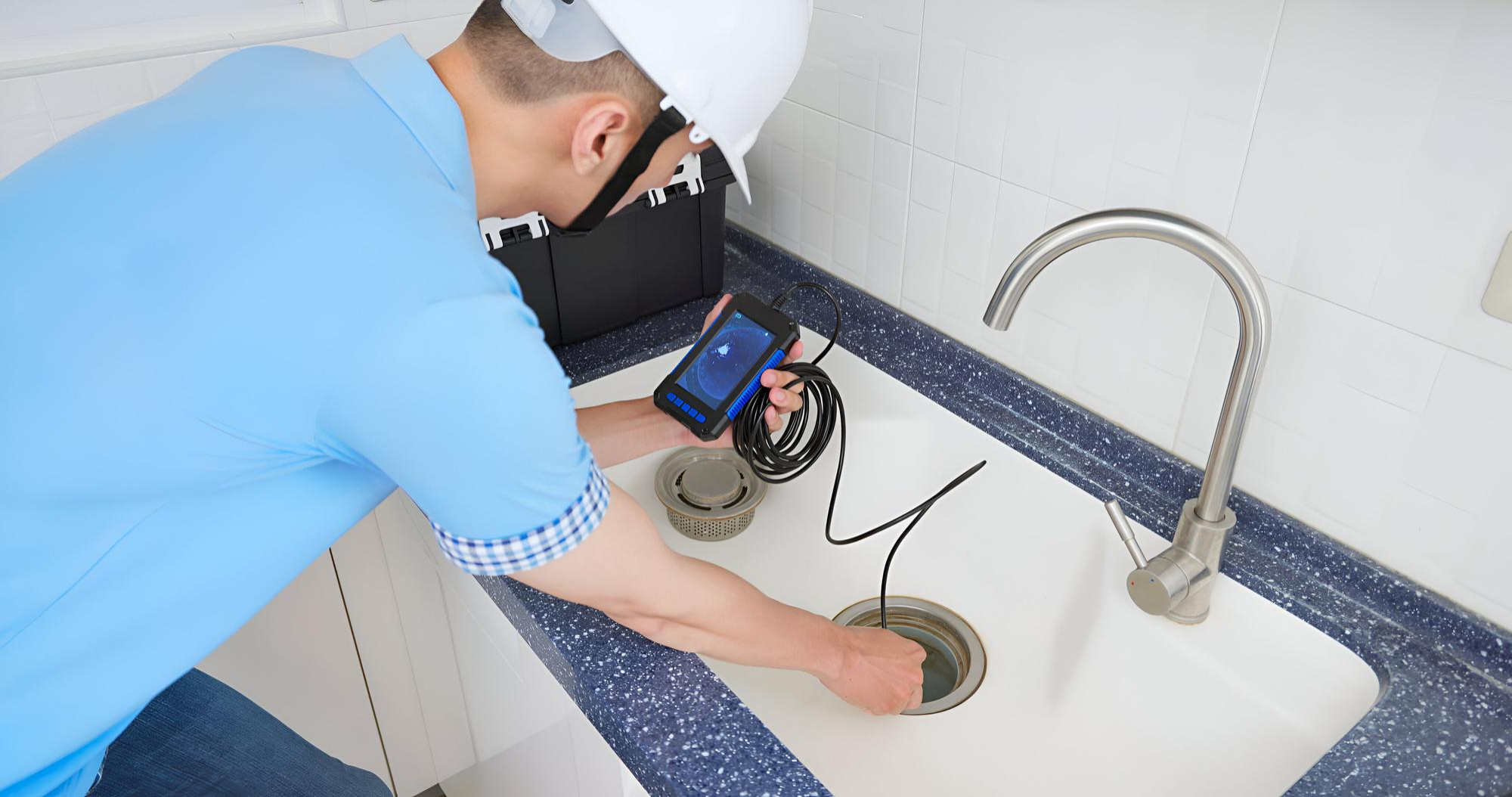
Strong odors combined with slow drainage or backups suggest a problem in the main sewer line. Tree root intrusion or collapsed pipes often require expert intervention. A camera inspection helps locate and resolve these serious issues quickly.
Benefits of professional inspection and deep cleaning
Professionals use high-pressure water jetting and cameras to ensure drains are completely clear. Their expertise prevents repeat problems and extends the life of your plumbing system. Regular professional service is especially valuable in New York’s demanding environment.
A clean, odor-free drain system protects your home’s comfort and your plumbing’s durability. Routine care, combined with professional support when needed, ensures your drains stay fresh and functional year-round.