
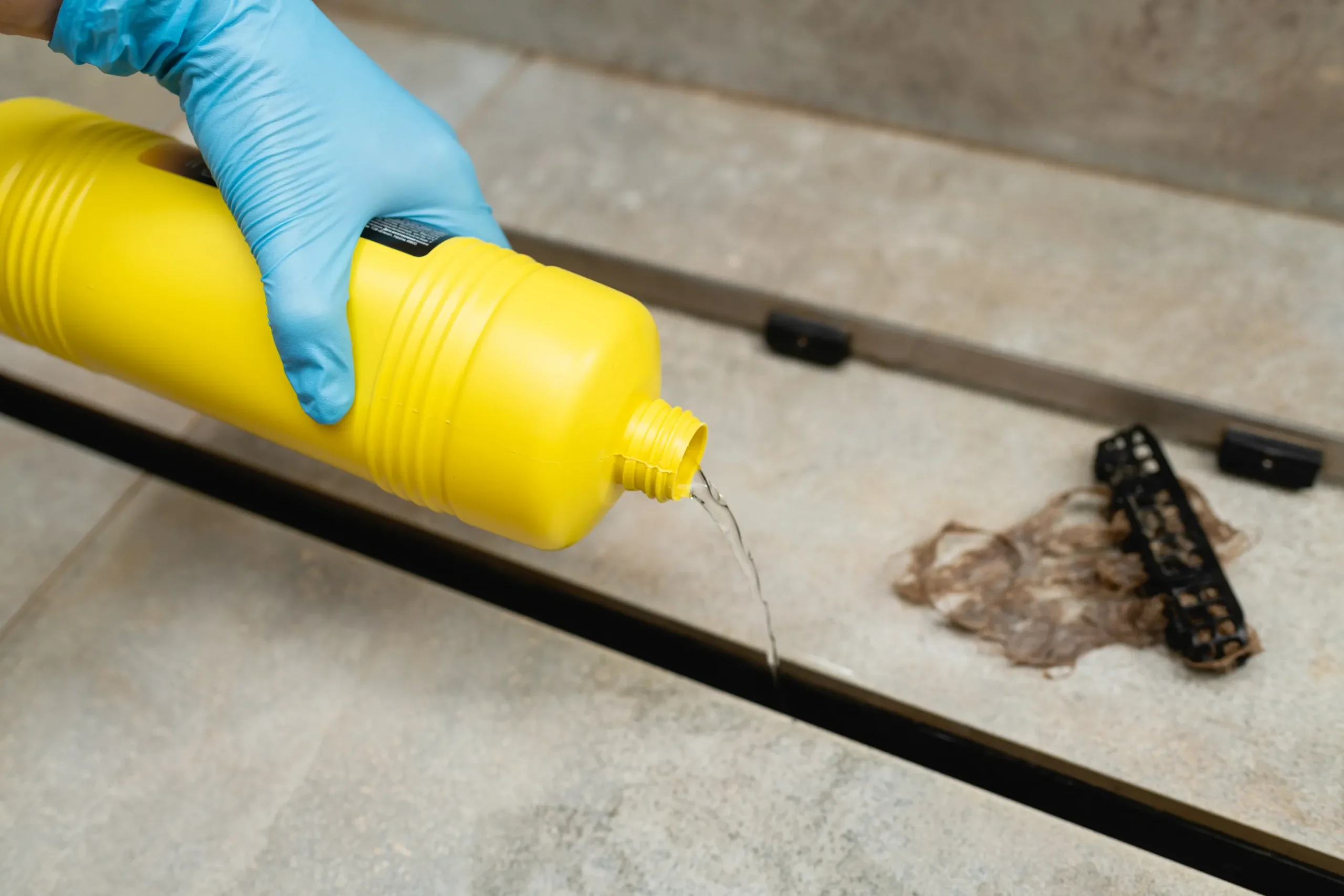
Living in NYC means dealing with unique challenges, including clogged drains. But here’s the twist: you can tackle these issues with eco-friendly solutions that protect our planet. Discover how green drain cleaners NYC offer a powerful alternative to traditional products. Ready to make a change that’s both effective and sustainable? Dive in and explore!
Sommaire
ToggleUnderstanding the need for green drain cleaners in NYC
New York City’s dense population and aging infrastructure increase the strain on plumbing systems. Traditional drain cleaners often contain harsh chemicals that harm the environment. These chemicals can damage pipes and pollute waterways, threatening aquatic life in the Hudson River. Green drain cleaners offer a sustainable solution, effectively breaking down clogs without toxic residues. Residents seek eco-friendly options to protect their homes and contribute to a healthier city environment.
Environmental impact of traditional drain cleaners
Traditional drain cleaners release harmful chemicals into New York City’s waterways, damaging aquatic ecosystems. These substances also produce toxic fumes, which degrade indoor air quality and pose health risks. Corrosion caused by these products harms household plumbing, leading to costly repairs. Choosing eco-friendly alternatives helps mitigate these environmental hazards.
Common issues faced by NYC residents
New Yorkers often face unique challenges with drain cleaning. The city’s dense population and aging infrastructure contribute to common plumbing issues. Here are some problems frequently encountered:
- Frequent clogs in apartment buildings
- Corrosion in old pipes
- Foul odors from drains
- Slow drainage due to grease buildup
- Overflow issues during heavy rains
Urban living in NYC often leads to these plumbing headaches. Choosing green drain cleaners helps tackle these issues while reducing environmental harm.
Key benefits of using eco-friendly drain cleaning products
Switching to eco-friendly drain cleaners offers significant advantages for New Yorkers. These products not only tackle clogs but also protect our environment.
- Reduces harmful chemical emissions
- Minimizes water pollution
- Safe for household plumbing
- Improves indoor air quality
- Biodegradable ingredients
Embracing green plumbing options leads to safer homes and a healthier planet. Choosing these products supports sustainable living while keeping drains clear and functional.
Protecting New York City’s waterways
Using green drain cleaners in NYC helps protect local waterways by reducing harmful chemical runoff. These eco-friendly products break down naturally, preventing toxins from entering rivers and streams. By choosing sustainable options, New Yorkers contribute to a healthier urban environment.
Improving indoor air quality
Eco-friendly drain cleaners enhance indoor air quality by eliminating harsh chemicals, reducing toxic fumes, and minimizing respiratory irritants. Traditional cleaners often release volatile organic compounds. Choosing green products promotes a healthier home environment, ensuring safer breathing conditions for families in New York City.
Comparing green and traditional drain cleaners
Green drain cleaners in NYC offer a safer alternative to traditional options. These eco-friendly products use natural enzymes and bacteria to break down clogs. This method prevents damage to pipes and avoids toxic fumes. In contrast, chemical cleaners rely on harsh ingredients that can corrode plumbing and pollute waterways. Though some may doubt their efficacy, green cleaners effectively tackle most household clogs. Choosing green options supports environmental health while maintaining household safety.
Effectiveness in clearing clogs
Green drain cleaners in NYC prove effective in tackling clogs. They offer a safer and environmentally friendly solution without compromising performance. Here’s a comparison of key features:
| Feature | Green Drain Cleaners | Traditional Cleaners |
|---|---|---|
| Biodegradable Ingredients | Yes | No |
| Non-Toxic | Yes | No |
| Safe for Pipes | Yes | No |
| Odor Control | Effective | Less Effective |
| Environmental Impact | Low | High |
| Speed of Action | Fast | Fast |
In NYC, homeowners often seek fast drain clearing solutions. Opting for eco-friendly options ensures both efficiency and sustainability.
Safety for household plumbing
| Aspect | Green Cleaners | Traditional Cleaners |
|---|---|---|
| Pipe Corrosion | Minimal risk | High risk |
| Toxicity | Low | High |
| Biodegradability | High | Low |
Eco-friendly drain cleaners offer a safer alternative for household plumbing. They minimize the risk of pipe corrosion and reduce toxic exposure. Choosing these products supports a healthier home environment. For sustainable plumbing solutions, eco-friendly cleaners prove essential. Their use helps maintain the integrity of pipes and ensures a longer lifespan for plumbing systems.
How to choose the right green drain cleaner
Opt for biodegradable ingredients like enzymes or natural acids. Avoid harsh chemicals such as bleach. Look for certifications like EPA Safer Choice. Check for brands like Green Gobbler available in NYC. Read reviews to ensure effectiveness. Prioritize products safe for household plumbing.
Ingredients to look for
Look for biodegradable ingredients like citric acid and baking soda. These effectively clear clogs without harming pipes. Choose products with plant-based enzymes to break down organic matter. Avoid harsh chemicals like lye. Essential oils offer a natural fragrance while enhancing cleaning power.
Brands available in New York City
In New York City, several brands offer effective green drain cleaners that respect the environment. These brands provide powerful solutions for eco-conscious residents:
- Bio-Clean
- Seventh Generation
- Green Gobbler
- Earth Enzymes
- Method
Each brand focuses on natural ingredients to clear clogs while protecting the city’s waterways.
Practical tips for maintaining clear drains
Regular maintenance ensures clear drains and reduces the need for harsh chemicals. Consider these tips:
- Pour boiling water weekly to dissolve buildup.
- Use a mix of baking soda and vinegar monthly.
- Install drain screens to catch debris.
- Avoid pouring grease down the sink.
- Flush drains with salt and hot water.
- Schedule professional drain services annually.
For optimal commercial plumbing solutions, businesses should implement these practices regularly to maintain efficiency and prevent costly repairs.
Regular maintenance routines
- Flush drains with hot water weekly.
- Use a biodegradable enzyme cleaner monthly.
- Inspect and clean drain traps regularly.
- Prevent clogs with a mesh screen.
Routine maintenance ensures clear drains and extends plumbing life. Simple habits keep your home fresh and eco-friendly.
DIY green drain cleaning solutions
For New Yorkers looking to maintain clean drains using eco-friendly methods, DIY solutions offer an effective alternative. These mixtures use natural ingredients, reducing the need for harsh chemicals. Here’s a simple guide:
- Pour half a cup of baking soda down the drain.
- Add half a cup of vinegar and cover the drain.
- Wait 15 minutes for the fizzing reaction.
- Flush with boiling water to clear residue.
- Repeat monthly for optimal results.
This routine keeps drains clear and protects NYC’s waterways.
Answers to frequently asked questions
Why should New Yorkers consider using green drain cleaners?
Green drain cleaners offer an eco-friendly way to maintain clean pipes. They protect the environment by reducing harmful chemicals in waterways. They also improve indoor air quality, benefiting your health.
Are green drain cleaners as effective as traditional ones?
Yes, many green drain cleaners effectively clear clogs without damaging pipes. They use natural enzymes or bacteria that break down buildup, offering a safe alternative to harsh chemicals.
What ingredients should be avoided in traditional drain cleaners?
Avoid products with chlorine, lye, or sulfuric acid. These substances harm the environment and pose risks to health and plumbing. Opt for products with plant-based or enzyme ingredients instead.