
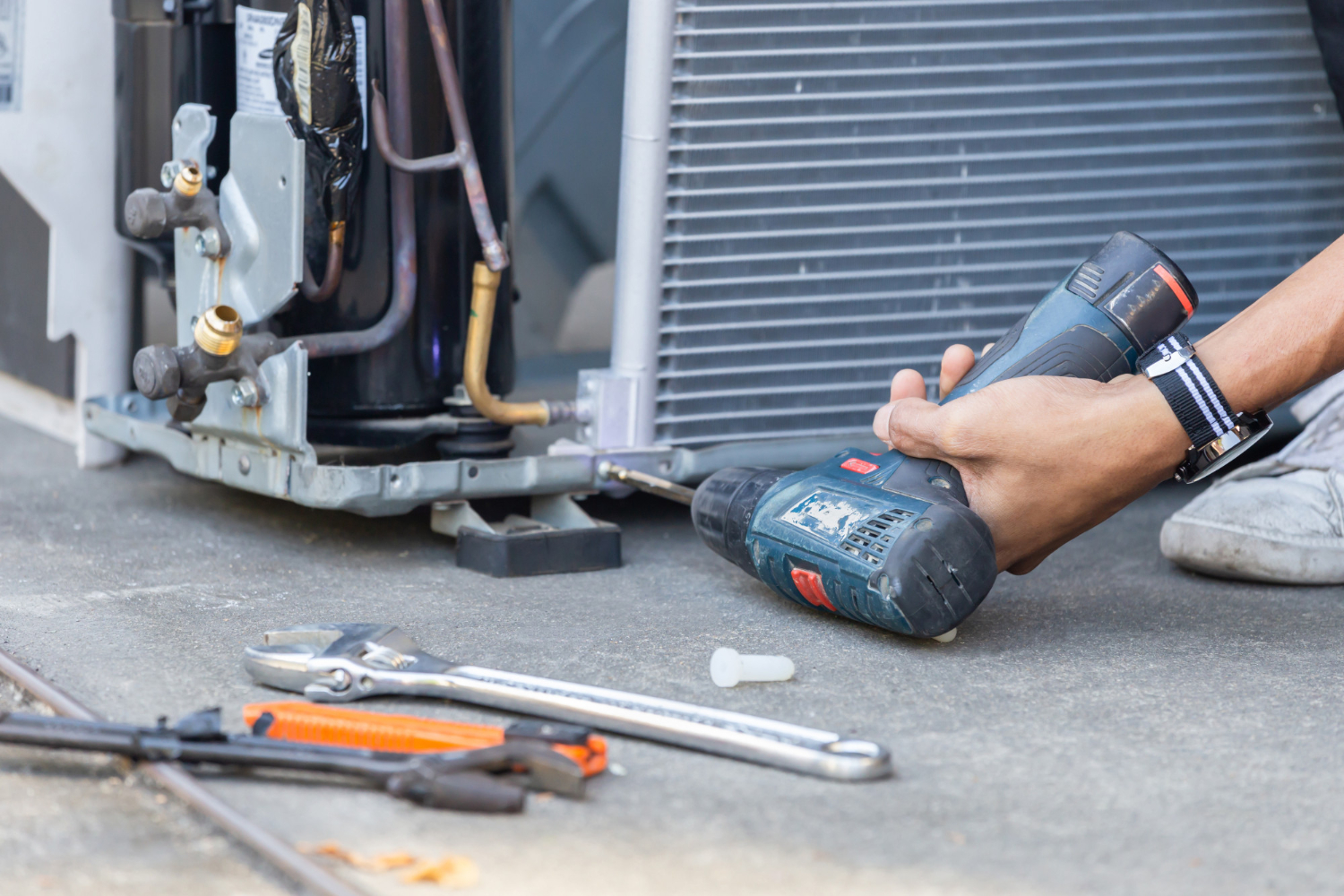
Maintaining your air conditioner’s drain is essential for ensuring its efficiency, especially in a climate as variable as New York’s. With hot, humid summers and chilly winters, your AC’s drainage system can face unique challenges. Here are the seasonal tips you need to keep your AC running smoothly all year long.
Sommaire
ToggleSpring: prepping for summer heat
As the temperature begins to rise in New York, it’s time to get your AC ready for the summer months. The spring is a great time to inspect and clean your AC’s drain to ensure it works efficiently during peak cooling months.
Inspect the drain line for clogs
During winter, debris like dust, dirt, and even dead leaves can accumulate in your AC drain line, causing blockages. Spring is the perfect time to check for any obstructions. Use a wet/dry vacuum or a specialized drain cleaner to remove any debris. This is crucial to ensure that the drainage system functions properly and avoids overflows or water damage inside your home.
Check the drain pan and pump
The drain pan under your AC unit collects condensation. Over time, algae or mold can build up, potentially clogging the drain. Clean the pan with warm water and soap, and ensure the pump is functioning properly to push water out of the system. This step is important because it prevents stagnant water that could become a breeding ground for bacteria and mold, which can affect your indoor air quality.
Clean or replace the filters
Air filters play a key role in your AC’s overall performance. A clogged filter can restrict airflow, leading to excess moisture in the system, which can directly impact the drain. Replace or clean your filters at the start of spring to help your AC run efficiently. Clean filters also promote better airflow and prevent unnecessary strain on your air conditioner.
Summer: maintain efficient drainage during hot months
Summer in New York can bring some intense heat and humidity. Regular AC maintenance during this time is essential for optimal performance.
Monitor for mold and mildew
Hot and humid weather can lead to mold and mildew growth in your AC unit’s drain. Inspect the drain line and the area around the unit for any signs of mold. Use vinegar and water to disinfect the drain line and prevent any bacterial buildup. This is especially important in summer when high moisture levels in the air can increase the likelihood of mold growth, which can reduce your AC’s efficiency.
Ensure proper drainage
If you notice water pooling around your AC unit, it could indicate a drainage issue. Make sure the drain line is not clogged and that water is flowing freely. If necessary, flush the drain with a mixture of vinegar and water to remove any gunk. Proper drainage ensures that condensation doesn’t collect, preventing any damage to your floors or walls.
Check the evaporator coil
The evaporator coil is responsible for cooling the air inside your AC. If the coil becomes too dirty, it can cause excess moisture to build up, which can lead to clogs in the drain line. Regular cleaning of the evaporator coil during summer will help prevent drainage problems and improve the overall efficiency of your AC unit.
Fall: preparing for cooler weather
As the cooler weather approaches in New York, your AC will likely be used less frequently. However, taking a few steps in the fall can help ensure your unit is in good condition when you need it again.
Clean the outdoor unit
In the fall, fallen leaves and debris can gather around your outdoor AC unit. Clear any leaves, twigs, or dirt that may obstruct the drainage path. This simple step can help prevent blockages and keep the drain functioning properly. Make sure the outdoor unit is free from any debris that could interfere with airflow and cause unnecessary stress on the drainage system.
Seal up the unit for winter
After the fall season, when the AC is no longer needed, ensure that your unit is properly sealed for the winter. This will prevent freezing and the potential buildup of ice in the drain line. Make sure the drainage system is clear so it doesn’t collect stagnant water during the winter months. Proper sealing also helps to protect your unit from the elements during the colder months.
Winter: protecting the drain from freezing
New York winters can bring frigid temperatures, and if your AC’s drainage system is not properly maintained, freezing could occur. Here are some steps to protect your AC during the cold season:
Ensure proper insulation
If your AC drain line runs through unheated spaces, like a crawl space or attic, make sure the pipe is insulated. This prevents freezing and ensures the drain line functions correctly during cold weather. Insulation helps maintain the flow of water in your AC system and prevents costly damage caused by ice formation in the pipes.
Check for ice build-up
Inspect the drain line to ensure there’s no ice build-up from condensation or a slow leak. If you find ice, carefully thaw it using a hairdryer or warm water. Avoid using harsh chemicals to speed up the process, as they may damage the system. Regular checks during winter can prevent blockages caused by ice that could damage the pipes or affect the performance of your AC.
Test the system before storing it
Before the cold weather fully sets in, test your AC system to make sure the drainage system is working properly. This preemptive check can save you a lot of hassle when you need to turn it on again in the spring. Ensuring that the drain line is clear and the system is properly sealed will help maintain the longevity of your AC unit.
Read more: Drain cleaning services in New York: what you need to know
Regular maintenance of your AC’s drain line not only ensures it works efficiently but also extends the life of your unit. By following these seasonal tips specific to New York’s climate, you can ensure that your AC system operates smoothly during both the hot summers and cold winters. Whether you’re a seasoned New Yorker or just moved in, these steps will help you enjoy consistent comfort all year long.
Read more : Top drain cleaning companies in New York: our selection