
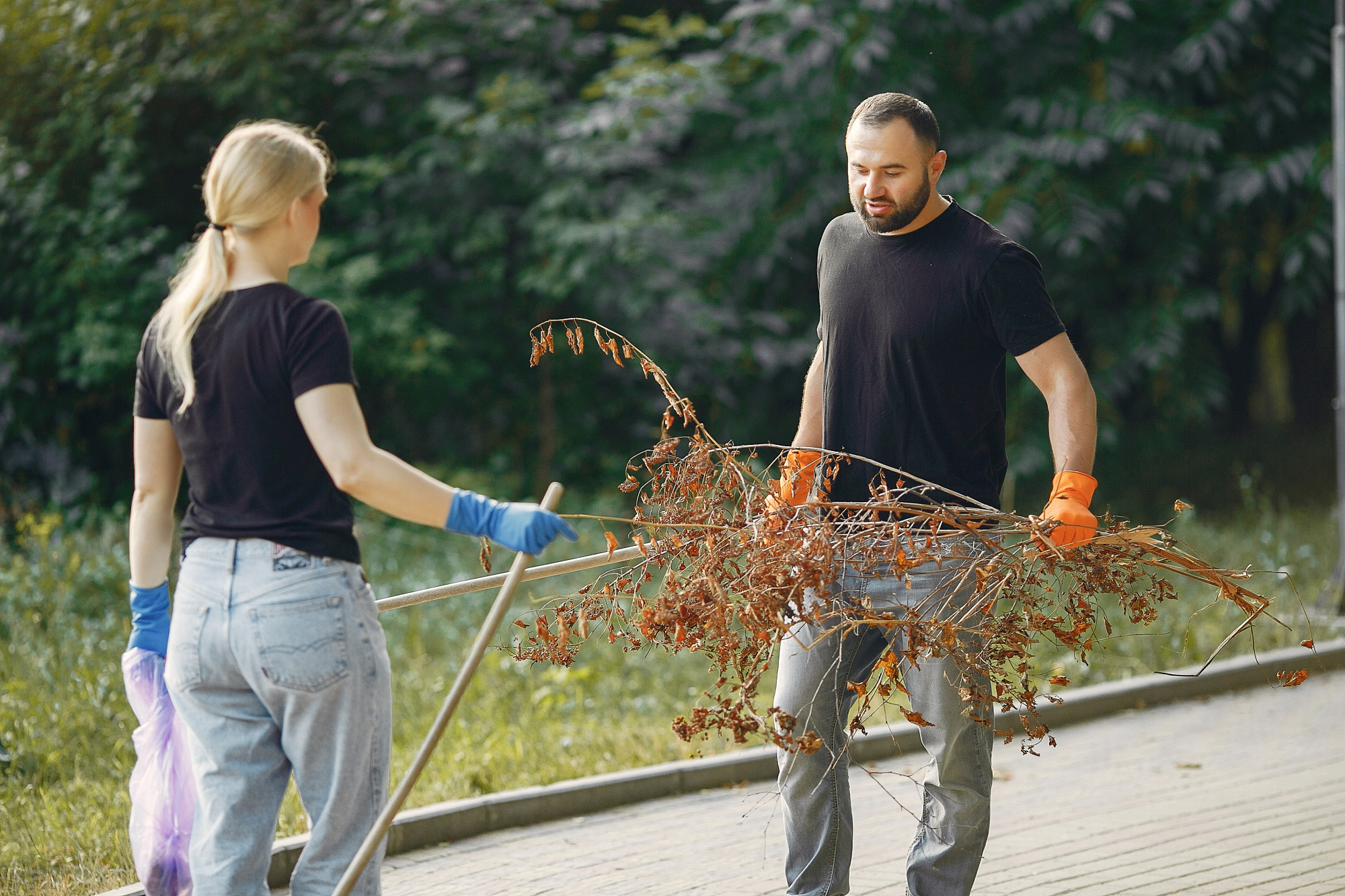
If you’ve ever experienced flooding in your garden or around your house after heavy rain, you know how frustrating it can be. One of the main culprits of these issues is often a clogged outdoor drain. Fortunately, these inconveniences can be avoided with a few simple steps. Learn how to effectively clean your outdoor drains and prevent flooding, while also protecting the health of your property.
Sommaire
ToggleWhy is it important to clean outdoor drains?
When outdoor drains are clogged with leaves, branches, or even mud, water can no longer flow properly. This creates a risk of flooding, especially after heavy rainfall. A clean drain allows water to flow freely, reducing pressure on drainage systems and the risk of overflow. By regularly cleaning your drains, you not only protect your home from water damage but also prevent the growth of mold, insects, and other pests.
How to clean outdoor drains?
To keep your outdoor drains in perfect condition and prevent flooding, regular cleaning is essential.
- Gather the necessary tools
Before starting, it’s important to have the right tools at hand for effective cleaning:
- Protective gloves
- Shovel or rake
- Hosepipe
- Metal brush or cleaning brush
- Waste bag
- Inspect the drains
It’s important to begin by inspecting the condition of your drains. Ensure that no debris, such as leaves or branches, is blocking them. If you notice a significant accumulation of dirt, you may need to do a more thorough cleaning.
- Remove visible debris
Start by removing all visible debris blocking the drain’s entrance with your gloves. You can use a shovel or rake for this task. If the debris is deeply embedded, a metal brush may be helpful to scrub the walls and remove any stubborn dirt.
- Use a hosepipe
Once the visible debris is removed, it’s time to test the water flow. Use a hosepipe to ensure the water flows properly. If the water doesn’t flow as it should, there may be a deeper blockage in the drainage system.
- Unclog with a plumber’s snake
If the hosepipe doesn’t clear the blockage, a plumber’s snake is an excellent tool for deeper cleaning. It is a long, flexible cable that you insert into the drain to dislodge blockages from roots or other objects preventing water from flowing freely.
- Check the water flow
After cleaning, ensure the water flows correctly. If areas are still clogged, it may be necessary to repeat the process or use specialized chemicals to break down any remaining residue.
Additional tips for keeping your drains clean
To ensure optimal water flow and prevent frequent blockages, a few additional precautions can make a significant difference.
Use protective grates
Installing grates or covers on your outdoor drains can prevent the accumulation of debris such as leaves, branches, or other objects. This will reduce the need for frequent cleaning and help maintain smooth water flow in the pipes.
Seasonal cleaning
It’s recommended to clean your drains twice a year: in the spring to remove debris accumulated during the winter, and in the fall before the leaves start to fall. This will keep your drains efficient throughout the year.
Watch for signs of blockage
Be mindful of signs that your drain is clogged: if you notice water pooling around the drains after rain or if there are unpleasant odors, this may indicate that your drains need immediate attention.
Call a professional
If the cleaning becomes too complex or the blockages are too deep, it might be wise to call a professional. Drainage experts have the necessary equipment to clean your drains effectively and safely.
Read more : 7 simple habits to maintain your plumbing system
Cleaning outdoor drains is a simple but crucial task to prevent flooding and water damage. By following these steps and performing regular maintenance, you can avoid many headaches and maintain a healthy outdoor environment. Remember, prevention is key, and maintaining your drains not only protects your home but also extends the lifespan of your drainage systems.
Read more: Bathroom renovation: what plumbing installations to plan?