
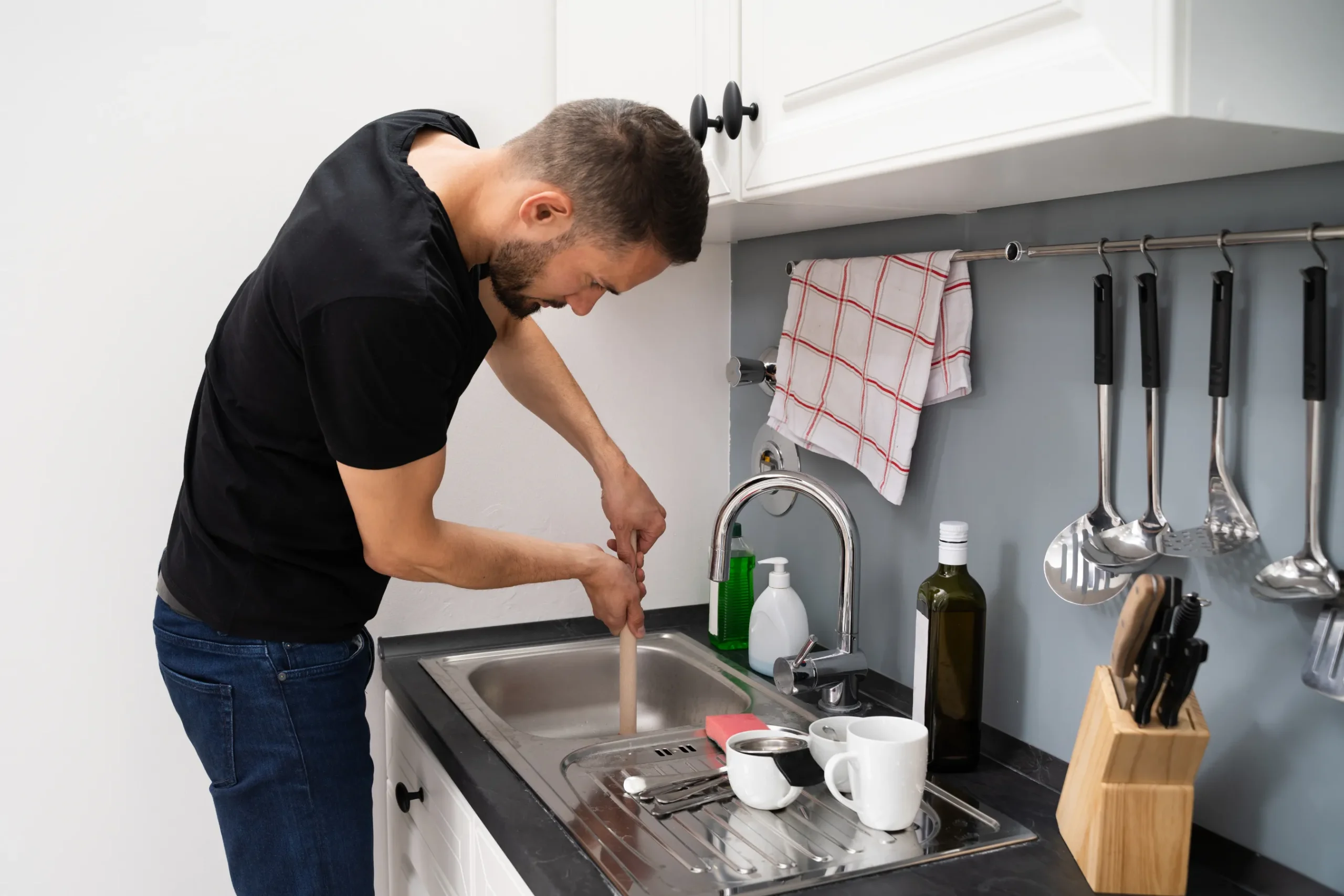
Pipe cleaning, although often overlooked, is crucial to keeping your home or business running smoothly. Blockages can lead to unpleasant odors and costly water damage. Let’s take a look at why it’s essential to maintain your pipes regularly, and how to do it simply and effectively.
Sommaire
ToggleWhy is drain cleaning important for your home in New York?
Living in New York comes with its own set of unique challenges for homeowners, apartment renters, and small business owners. The constant use of plumbing systems, combined with aging infrastructure in some buildings, means that drain maintenance is even more important. Here’s a breakdown of why drain cleaning is essential:
- Prevent blockages
Drains are a magnet for debris like food scraps, grease, and hair. Over time, these materials build up and can completely block your pipes, causing slow drainage or no drainage at all. A blocked drain is not only inconvenient but can escalate into more serious plumbing issues.
- Avoid foul odors
When food and grease accumulate in the pipes, they don’t just create blockages—they can also begin to decompose. This process can cause unpleasant odors to permeate throughout your kitchen, bathroom, and even your living spaces. Without proper cleaning, these smells will only get worse.
- Prevent water damage
A neglected drain can lead to backups, which means water will not drain as it should. Prolonged backups can result in water spilling over and leaking into other parts of your home, which can cause expensive water damage to floors, walls, and foundations.
- Save money
By cleaning your drains regularly, you can prevent major clogs that require costly plumbing repairs or the need for emergency services. Preventive maintenance is always cheaper than dealing with an unexpected flood or a major pipe replacement.
In a city like New York, where pipes are sometimes decades old, regular drain cleaning helps keep your plumbing system functioning at its best.
What is drain cleaning?
Drain cleaning is the process of clearing debris and buildup that accumulates in your pipes over time. This could be food scraps, soap scum, hair, or grease. Regular cleaning ensures that the pipes remain clear, the water flows freely, and odors are kept at bay.
How to clean your drains: Practical tips for homeowners in New York
Maintaining clean drains doesn’t have to be a difficult or expensive task. Below are some simple, effective methods for keeping your drains clean and clear.
- Use Bbking soda and vinegar
Baking soda and vinegar aren’t just great for your kitchen cleaning routine, but they’re also fantastic for keeping your drains in top shape. Here’s how to use them for cleaning:
- Step 1: Pour half a cup of baking soda into the drain. Baking soda is slightly abrasive and helps to scrub away any grease or debris.
- Step 2: Follow with half a cup of white vinegar. The acidity of vinegar will react with the baking soda, breaking down any remaining buildup.
- Step 3: Cover the drain to allow the mixture to foam up and sit for 30 minutes to an hour. This gives the solution time to break down the grease and grime stuck in your pipes.
- Step 4: Rinse with hot water. After waiting, pour hot water down the drain to flush out any loosened particles.
This method is not only effective but also eco-friendly and safe for your plumbing.
- Opt for boiling water
A very simple yet effective way to prevent clogs is by regularly flushing your drains with boiling water. Here’s why it works:
- Boiling water helps to dissolve grease that can build up in your pipes. Grease is one of the most common culprits behind clogged drains, especially in kitchens where cooking oils and fats are used frequently.
- Simply pour boiling water down your sink or drain once a week to help clear out any grease buildup before it has a chance to solidify and cause a blockage.
This method is fast, effective, and doesn’t require any special equipment.
- Avoid pouring grease or oil down the drain
Grease and oil should never be poured down the drain. These substances solidify in the pipes, creating stubborn clogs that are difficult to remove. Dispose of grease by pouring it into a container and discarding it in the trash. Alternatively, you can reuse cooking oil by straining it and storing it for later use.
- Install drain filters
To catch debris like hair and food scraps before they enter the drain, consider installing drain filters or catchers. These simple, inexpensive devices will help prevent large particles from accumulating inside your pipes.
- Clean sink traps regularly
Under-sink traps are designed to collect food scraps and other debris before they make their way down the pipe. It’s important to clean these traps regularly to prevent clogs:
- Step 1: Unscrew the trap from under the sink and empty its contents into a bucket.
- Step 2: Use a brush and hot, soapy water to scrub the inside of the trap.
- Step 3: Rinse thoroughly and reassemble the trap.
This should be done at least once every three months or more frequently if you use your sink a lot.
- Hire a professional for major clogs
If you notice that your drain is still slow or clogged despite regular cleaning, it may be time to call in a professional plumber. Sometimes clogs are too deep in the pipes or too severe for DIY methods. Plumbers can use advanced techniques like hydro-jetting, which involves using high-pressure water to clear out even the toughest blockages.
Drain cleaning may not be glamorous, but it’s essential for ensuring the longevity and efficiency of your plumbing system. For homeowners and renters in New York, regular maintenance of your drains is a simple way to avoid major plumbing issues, foul odors, and water damage. By following the tips above such as using baking soda and vinegar, installing drain filters, and flushing with boiling water you can keep your drains flowing smoothly and avoid expensive repairs. Regular maintenance will not only save you money but also ensure a healthier and cleaner home environment.